

Ahead of the curve: Pneumatic tubes at BMO
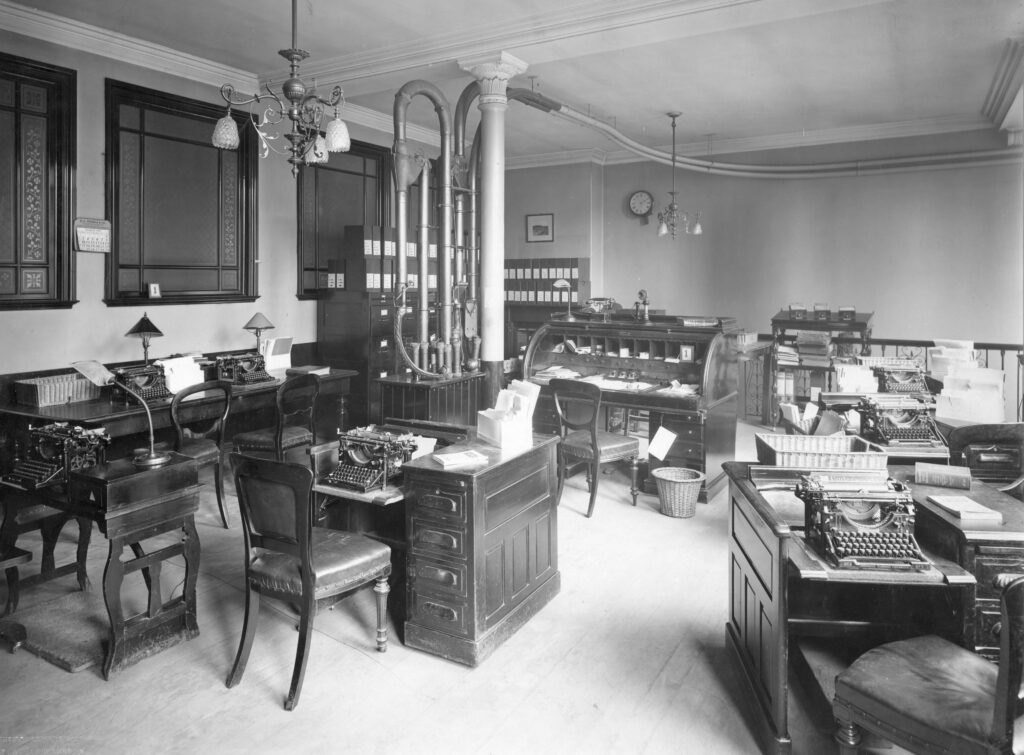
BMO has a history of being at the forefront of innovation in banking by investing in technologies that simplify our business and help customers make real financial progress. The use of pneumatic tube systems starting from the early-20th century is a historical example of this innovative mindset.
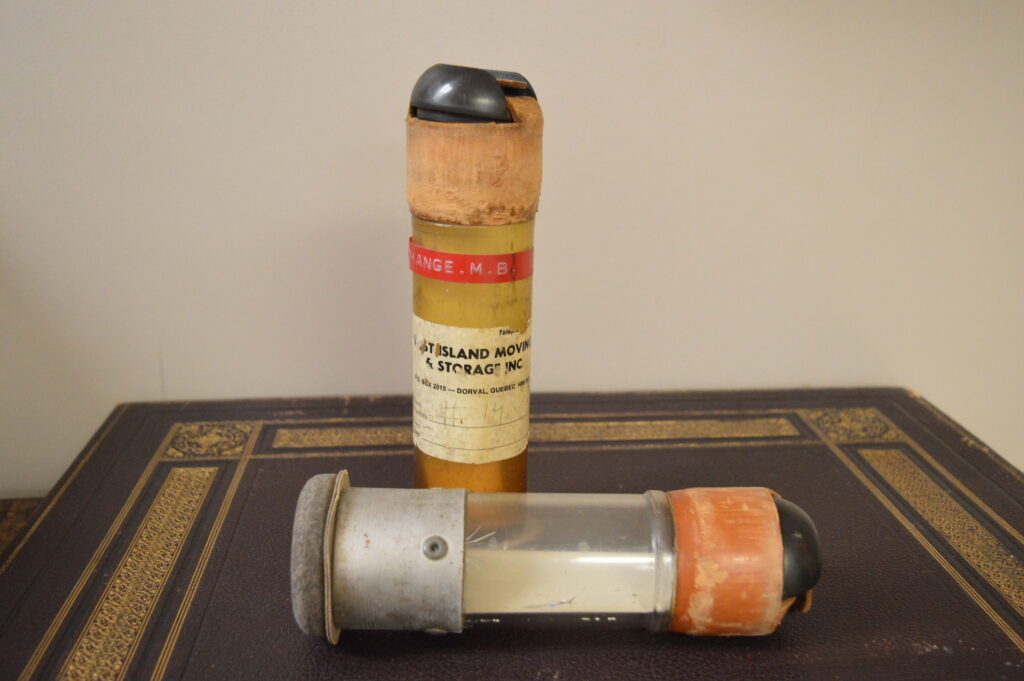
The bank required the ability to quickly send messages across departments in the bank’s larger premises, particularly offices in metropolitan cities, to enable more efficient communications and faster decision making. The solution was to use a compressed air system, which enabled pneumatic tubes to rapidly transport cannisters containing documents and even small items within a building. The implementation of this system ultimately allowed bank employees to provide a higher quality of customer service.
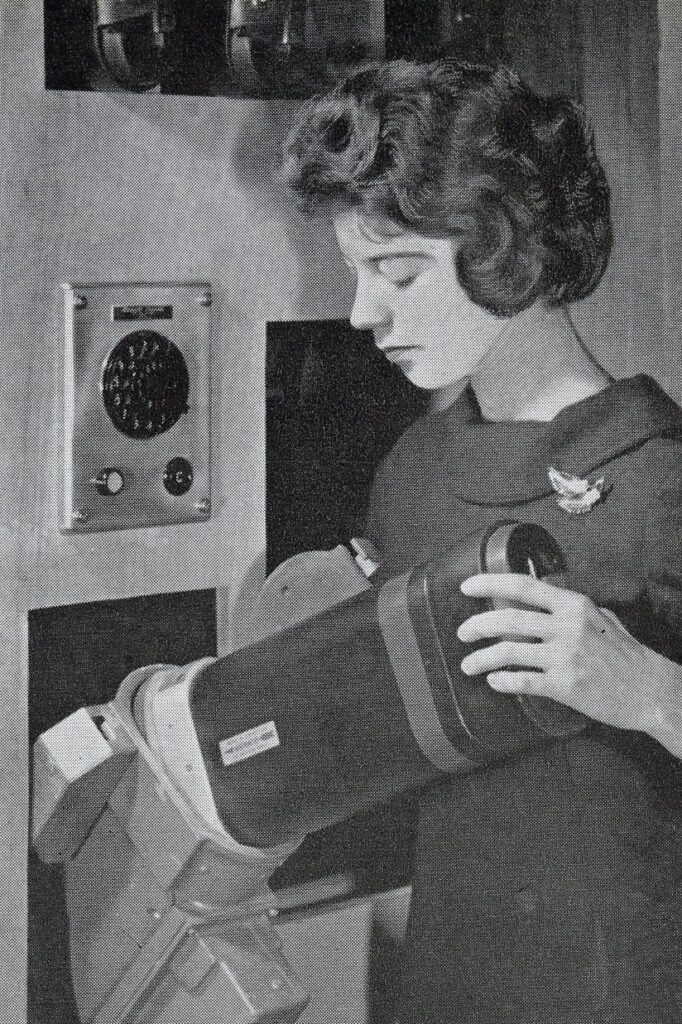
The pneumatic tubes installed at the Montreal Head Office tower during its construction in 1960 were considered to be the fastest form of inter-departmental communication in Canada. At any of the 26 outlets installed throughout the building, employees dispatched messages or parcels weighing up to 10 pounds simply by loading a cannister into the tube and dialing the number of the receiving department. The characteristic “Swish!” and “Floop!” of cannisters moving through the pneumatic tubes was ever-present background noise throughout the building as important messages were dispatched to be mailed, typed, or transmitted in code via telegraph machine. Cannisters traveled at the speed of 40 feet per second, providing a nearly instant messaging system decades before email!